

There Was Always a Shortcut
On Creativity and AI

I’ve recently moved and have had to encounter all the things that used to be nicely placed out of sight. That gift that was given and never used. That thing I was always going to get to but never did. That game that holds sentimental value, but I never touch. They have all come out of hiding.
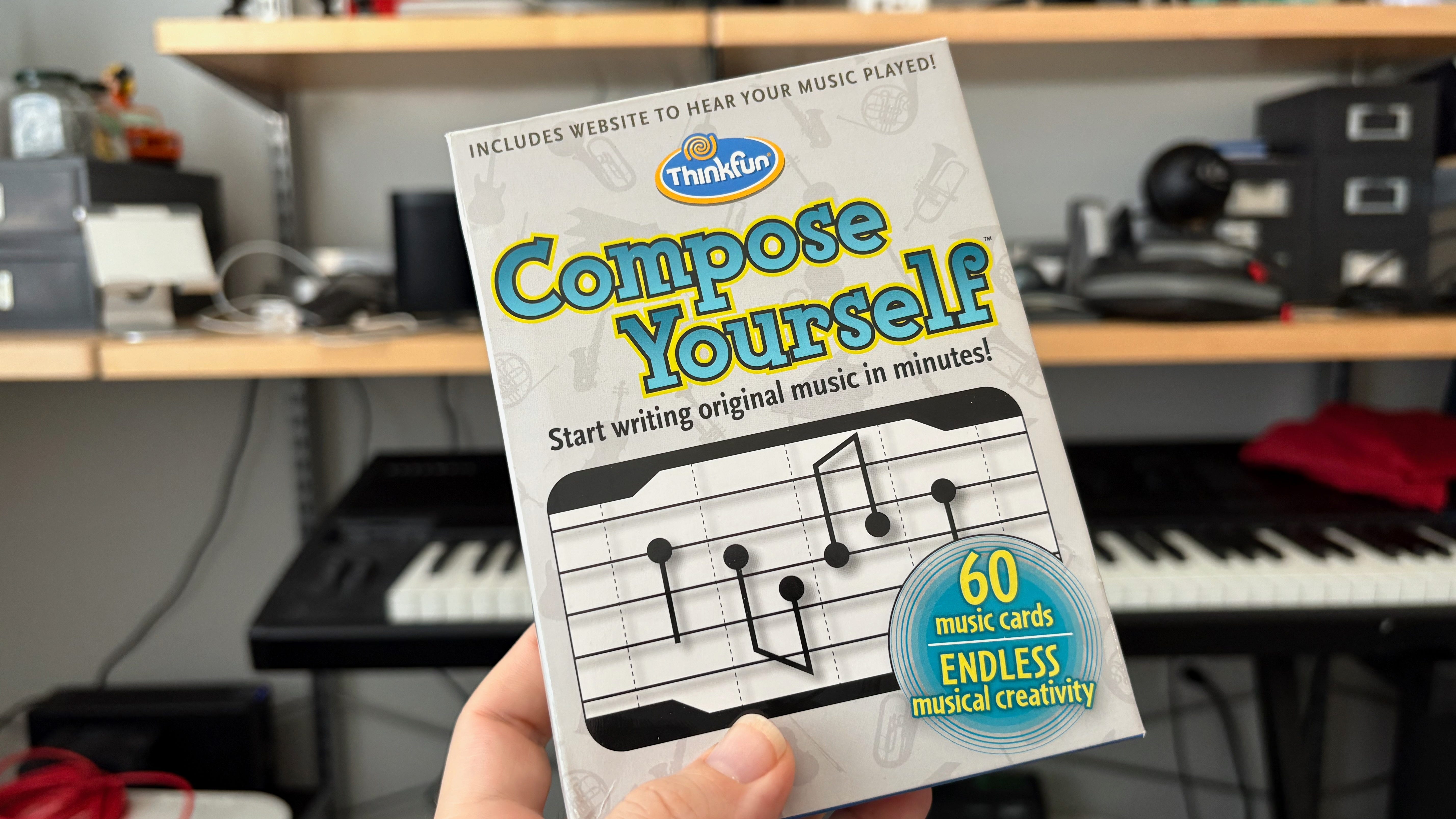
In the sorting I came across this once-opened card deck, entitled “Compose Yourself.” The tag line on the box reads, “Start writing original music in minutes.” In the corner, an additional sales pitch says, “60 music cards, endless musical creativity.” The copyright reads 2014.
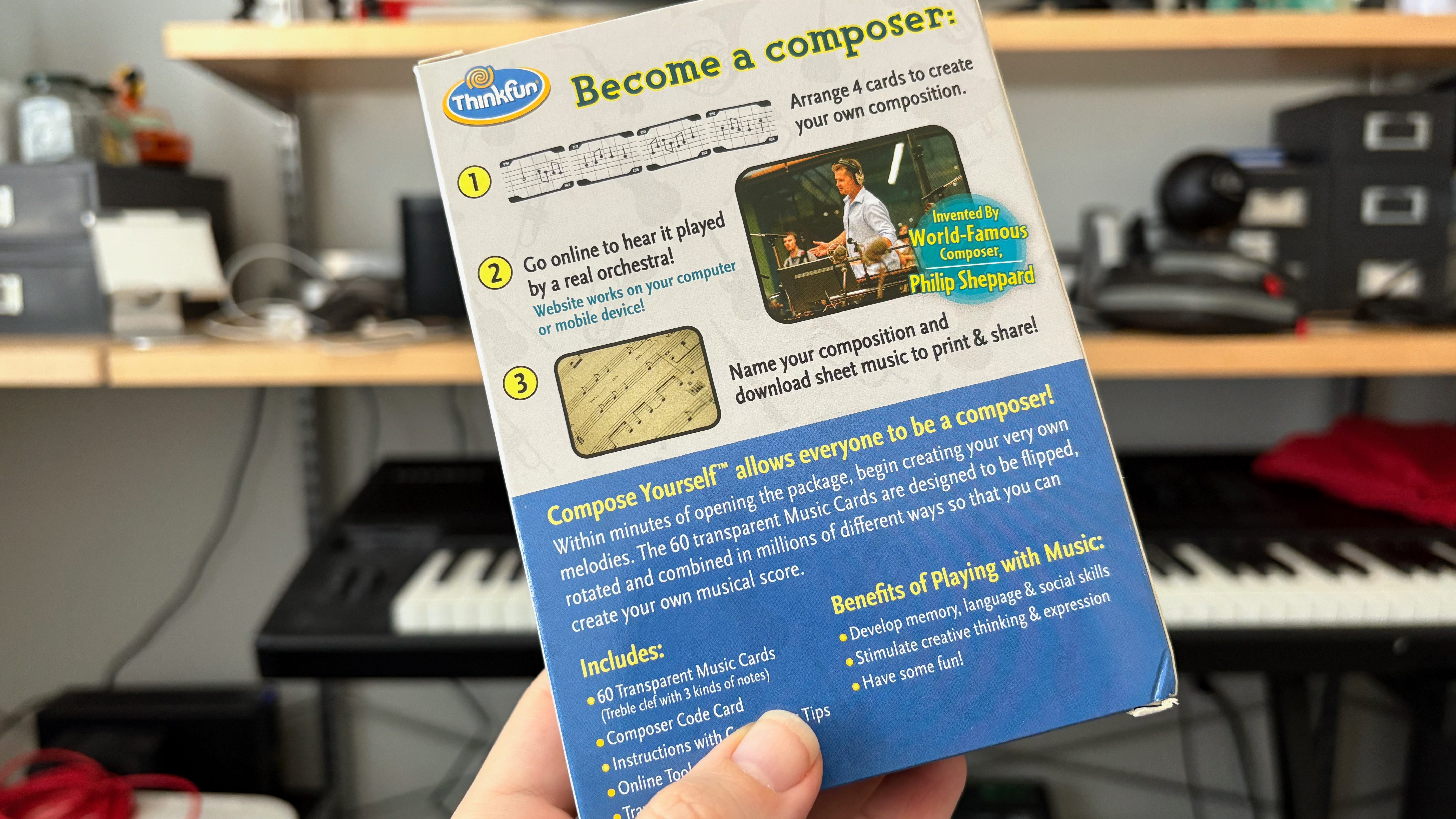
The back of the box explains the premise: Arrange any 4 cards together, each with its own combination of notes; go online to hear your new composition played by a real orchestra; name your composition and download sheet music to to print and share! The box even has a section on the benefits of playing with music. I noticed it doesn’t highlight the benefits of playing music, only playing with music.
As I looked at this remnant from history, all I could think of was the parallel now being presented by campaigns from the likes of Suno and other A.I. tools. They say we now have endless creativity at our fingertips. We have the ability to endlessly create original music.
One retort to such claims is that if we use AI, we are not really creating anything. We are simply directing a tool which does all the creating for us. To go further some musicians have clearly stated that this undermines the entire formative process of becoming a musician, which is fundamentally related to the creativity one then has and expresses.
The other side of the argument is an aspirational claim that says something like, “Shouldn’t we all be given the experience of creating things like music and visual art?”
Many things are at play here. There is the real undermining of human formation, the actual theft of intellectual property, the possible sidestepping of all copyright law, the entire transformation of the economy, and that’s to say little of the impact A.I. is having on individual industries and lives.
In this hurricane, the aspirational claim of A.I. sits on top of an ideal of efficiency. It is easier to “collaborate” with A.I. (or a deck of cards) to create original music, than to learn an instrument (including a singing voice) to create music yourself, or with others. However, for slow work (like that which relies on the formation of the person), the ideal of efficiency is essentially the proposition of a shortcut.
The attractiveness of the shortcut has tempted humanity throughout time. Governments use them to get citizens, allies, and enemies to do what they want. Marketers do the same with potential clients. Entire theologies have spread because of shortcuts. It is easier to coerce than to create space for someone else to have a say. It is easier to impose than to have to deal with someone else’s will.
And now we – that is every one who is given the ability, or the requirement, to use A.I. – have to confront this real and present temptation. When presented, will we take the shortcut? Even as I write this I have options for proofreading and rewrite assistance thanks to Apple Intelligence and Microsoft Word. No thanks.
I’m not looking to take a hard road just for the sake of it. I realize that ease can be a wonderful part of the journey. But the reality is that ease comes after formation not before it. Ease comes after the journey of acquiring the necessary skills, context, even desire, to become a particular kind of person. Maybe the kind of person who can easily create music, write a book, paint a painting, sing, or dance.
The challenge we face is not new. The scale and pressure to adopt might be. But we always have a choice. We might not completely understand the consequences, or fear for what might happen if we say yes or no. In this unknown we must find something worth leaning on to guide the choices we have to make, lest we just go with the flow, and find ourselves in a world we wouldn’t want. Or worse, thinking that composing with a deck of cards or A.I. is akin to actually knowing how music works.